Codnor Community Primary School Church of England Controlled
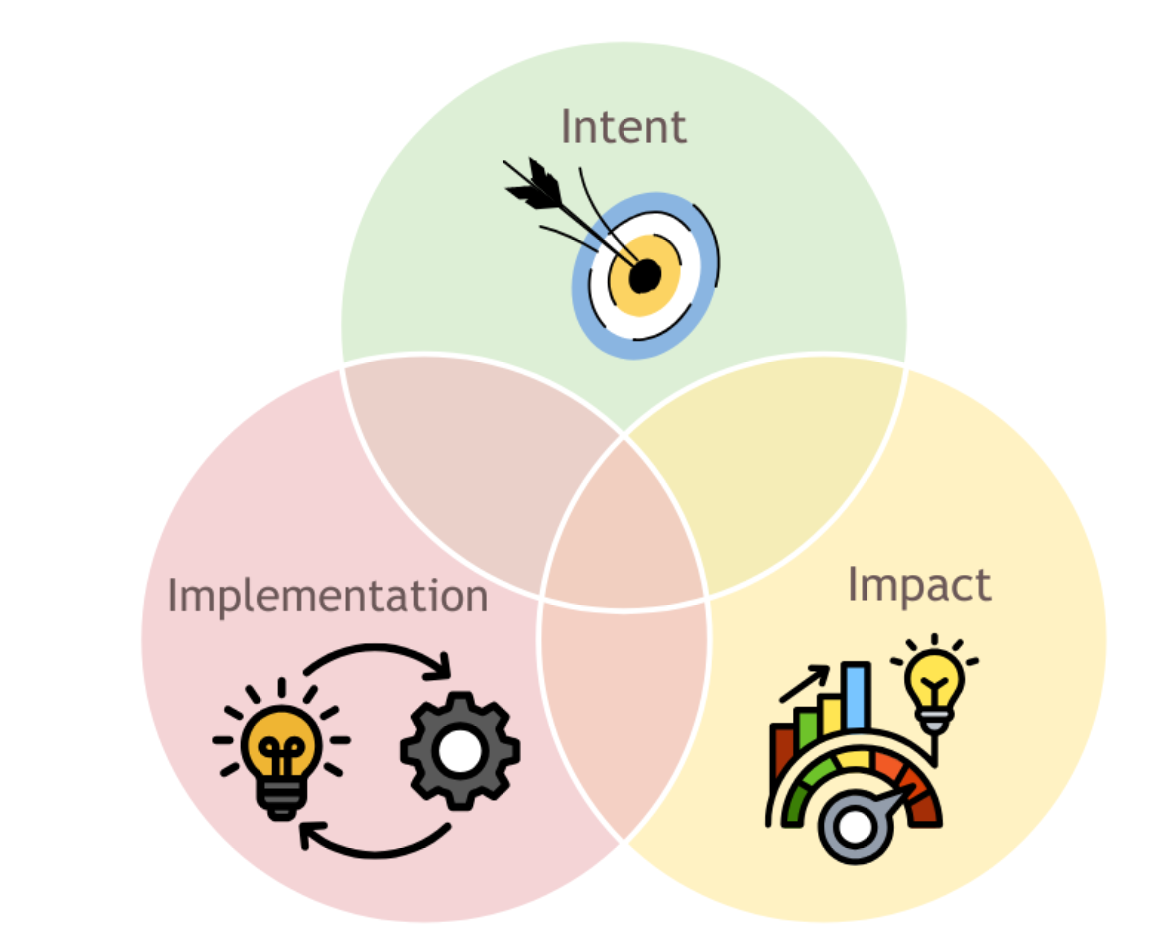
Intent, Impact and Implementation
Intent
We value the development of the whole child. Our children are not just learners - they are explorers, investigators, enthusiasts, performers, decision makers, contributors, creators, role models, members of society, and ultimately the future of our community and the world beyond it.
|
We recognise that our children are a valuable part of our future community and our curriculum is designed around children's needs and skills across all areas of learning. We intend:
|
What makes our curriculum unique?
Alongside the National Curriculum, our Enrichment, Behaviour for Learning and My Place in the World strands were developed as a staff, and in collaboration with parents, pupils, governors and other members of the community. We have identified these areas to help us tailor our curriculum to the specific needs of our children:
| What | Why |
| Safeguarding |
Our priority is to keep our children safe. We work collaboratively in school and with outside agencies to accomplish this, but children also need to learn the skills necessary to accomplish this independently. We do this by creating a safe, caring and secure environment where all children feel happy, valued and protected. All staff are trained to keep children safe and understand their responsibility to act quickly if they have any concerns. We build strong, trusting relationships with children so they feel confident to talk to adults and know they will be listened to. Clear routines, careful supervision and well-organised learning spaces help children feel safe and supported throughout the day. We work closely with parents, carers and external professionals to ensure children’s needs are met and that the right support is in place when needed. We also help children learn how to keep themselves safe through everyday routines, discussions and age-appropriate learning, including a focus on Personal, Social and Emotional Development. Keeping children safe and well is our top priority. |
| Multiculturalism and Diversity | In our local community of Codnor, our children do not often encounter people from other religions or cultures and are unfamiliar with how to challenge unhealthy attitudes and perceptions. It is important in Britain's multicultural society that children understand diversity, and that they welcome and celebrate differences. In Early Years, children celebrate a range of festivals and events including Diwali, Chinese New Year and Christmas. Reception children also have a specific RE lesson weekly to help them understand differences. Our Early Years recognises each child as special and we praise children's achievements, including encouraging them to share pictures and items of significance from home. |
| Christian Values | Our school is a Church of England school, and we welcome people of any religion or none. Christian Values provide a good foundation for life and promote respect and tolerance for others. Our children need to understand how to learn from the Bible and transfer the teachings of Jesus into everyday life. They need to appreciate the value that members of our church have in contributing to their own personal development and growth. Children take part in collective worship sessions and RE sessions in Reception and our Christian Values are embedded in daily school life. |
| British Values |
Although at Codnor Primary we celebrate diversity, it is also important for our children to value and celebrate being part of Britain and understand some of the traditions, values and institutions of which British people can be proud. |
| Behaviour for Learning |
Our children need to be equipped with the skills to enable them to succeed independently regardless of their personal circumstances. These skills will help them to enjoy their learning and take genuine pride in it. We explicitly teach our children the following learning behaviours: resilience, endurance, independence, collaboration, creativity, challenge (including taking safe risks), reflection, imagination, and engagement. We have a range of positive behaviour for learning strategies in EYFS, including class marble jars, raffle tickets and lots of stickers! |
| Enrichment and Cultural Capital | We provide enrichment activities, visitors, themed learning, outdoor learning and collective worship throughout the year. Children explore different cultures, communities and experiences that help them make sense of the world around them. This includes chicks, caterpillars, frogspawn, seasonal walks, performances, inviting parents in, school fayres, a school trip, key visitors and church visits, alongisde school competitions such as our annual Easter Bonnet competition. |
| Wellbeing |
The wellbeing of our children is of upmost importance, particularly during key transitions. We offer stay and play sessions, transition mornings and settled in parents sessions to support transitions. We build strong, caring relationships and provide consistent routines and clear expectations. Staff support children to manage emotions, develop resilience and form positive friendships in a calm, nurturing environment. |
| Curriculum | Learning is carefully planned around children’s needs, interests and starting points. We balance adult-led teaching with purposeful play and exploration, using high-quality texts, first-hand experiences and meaningful activities to support progress across all areas of learning |
| Inclusion | We ensure that all children are included and are able to succeed in their next steps in learning. We adapt planning based on children's interests and needs. We identify needs early and adapt learning to support individual children. We work closely with parents, the SENCo and external professionals to provide targeted support and interventions where needed. |
| Communication and Language and Early Reading | We create a language-rich environment with daily opportunities for talk, storytelling, singing and reading. Phonics is taught daily using the Little Wandle scheme, and children take home reading books to share with families. All Early Years children have story time every day and explore a range of fiction, non fiction and topic books. Each class has a designated reading area. |
| Parent Partnership |
Our parent partnership is important to us at Codnor. Staff create an open dialogue with parents through parents evenings, informal chats and through our class dojo system. We keep parents informed through regular communication, meetings, workshops and online platforms. Parents are encouraged to support learning at home and are involved in their child’s EYFS journey from the start. We work alongisde parents closely and our parent partnerships are strong. |
Implementation
Teaching and Learning
What we do:
We deliver high-quality teaching that supports all children to learn, explore and make progress.
How we do it:
We use a balance of adult-led teaching and child-initiated play. Staff carefully model skills, ask questions and extend learning through purposeful interactions during play and group sessions.
Learning Environment
What we do:
We provide a safe, stimulating and engaging learning environment.
How we do it:
Classrooms and outdoor areas are well organised and resourced to promote independence, curiosity and creativity. Children have daily access to indoor and outdoor learning with resources that encourage exploration and problem solving. Specific activities are planned linked to our topic learning and to develop children's skills.
Planning
What we do:
We plan learning that meets the needs of all children.
How we do it:
Planning is based on children’s starting points, interests and next steps. Long-term plans, progression documents and weekly planning ensure learning builds over time and is adapted where needed. Staff use skills based weekly planning to target specific children on their next steps in learning.
Assessment
What we do:
We regularly assess children’s progress to support their development.
How we do it:
Staff use ongoing observations, work samples and professional judgement to understand children’s learning. Assessment information is used to plan next steps, provide challenge and offer additional support where needed. Children also have learning journey books, which track progress and highlight any 'wow' moments for children. Our Assessment is based on a deep knowledge of children, their likes and dislikes, interests, home life and next steps. We track children's progress summatively using our data system 'Insight'.
Early Reading and Phonics
What we do:
We support children to become confident early readers.
How we do it:
Daily phonics sessions follow the Little Wandle scheme. Children are given reading books matched to their phonics knowledge and have regular opportunities to read, listen to stories and enjoy books throughout the day. Our Reception classrooms have a Phonics area and are supported to read and write throughout provision areas. They refer to Little Wandle sounds they have learned.
Personal, Social and Emotional Development
What we do:
We help children develop confidence, resilience and positive relationships.
How we do it:
Clear routines, consistent expectations and positive behaviour strategies support children to manage emotions and behaviour. Staff build strong relationships and model kindness, respect and cooperation. Staff have fantastic relationships with children and children feel happy when coming to school. Staff spend extra time with children if needed to help to support these skills. Staff focus on building relationships, building resillience and perseverance, building independence and helping children manage their emotions.
Inclusion and Additional Support
What we do:
We ensure all children are included and supported.
How we do it:
We identify needs early and adapt teaching and provision. Targeted support and interventions are put in place, working closely with parents, the SENCo and outside agencies when needed.
Safeguarding
What we do:
We keep children safe and well.
How we do it:
All staff follow safeguarding procedures and have up to date Safeguarding Training. Clear supervision, secure routines and risk assessments ensure children are safe throughout the school day. We use 'My Concern' to log any particular concerns with our Designated Safeguarding Team.
Working with Parents
What we do:
We work in partnership with parents and carers.
How we do it:
We communicate regularly through meetings, online platforms and informal discussions. Parents are supported to help their child’s learning at home and are kept informed about progress and development. We use the platform 'Class Dojo' as a point of contact, to share children's learning and to update parents through our class story.
Home Learning
What we do:
We encourage parents to extend children's learning at home.
How we do it:
Children receive a 'Bucket List' homework book at the beginning of each half term with a range of fun and exciting tasks to complete at home. These tasks include Maths, Writing, Topic, our Codnor Stars and an Enrichment activity. Tasks may include a Winter Walk, creating a Winter box scene, creating their own large number line or creating a factfile of their favourite animal. Children take great pride in their home learning and enjoy sharing their learning with everyone at school.
Transitions
What we do:
We provide a a range of transition opportunities to support children in their transitions throughout Early Years and beyond.
How we do it:
Children and parents have the opportunity to visit school, by arranging a separate visit or during our school open evening. Once children have a place at Codnor, parents will be invited to a new starters meeting and information packs are given out. Then children and parents are invited to a stay and play together and a transition morning. Staff also visit children's current setting before they start Reception.


Impact
What does this mean for our children?
-
Children feel safe, happy and secure, enabling them to settle quickly and enjoy coming to school.
-
Children develop confidence, independence and resilience, becoming curious and motivated learners.
-
Children make good progress from their starting points, including those who need additional support.
-
Children develop strong communication and language skills, helping them to express ideas, ask questions and build relationships.
-
Children become confident early readers, with secure phonics knowledge and a love of books and stories.
-
Children develop a secure understanding of number and early mathematical concepts through practical, meaningful experiences.
-
Children form positive relationships, show respect for others and manage their emotions appropriately.
-
Children benefit from enrichment experiences that broaden their understanding of the world and build cultural capital.
-
Children are well prepared for the transition into Year 1, with the skills, knowledge and attitudes needed for future success.
-
Parents feel informed, supported and confident in their child’s learning journey and partnership with the school.